








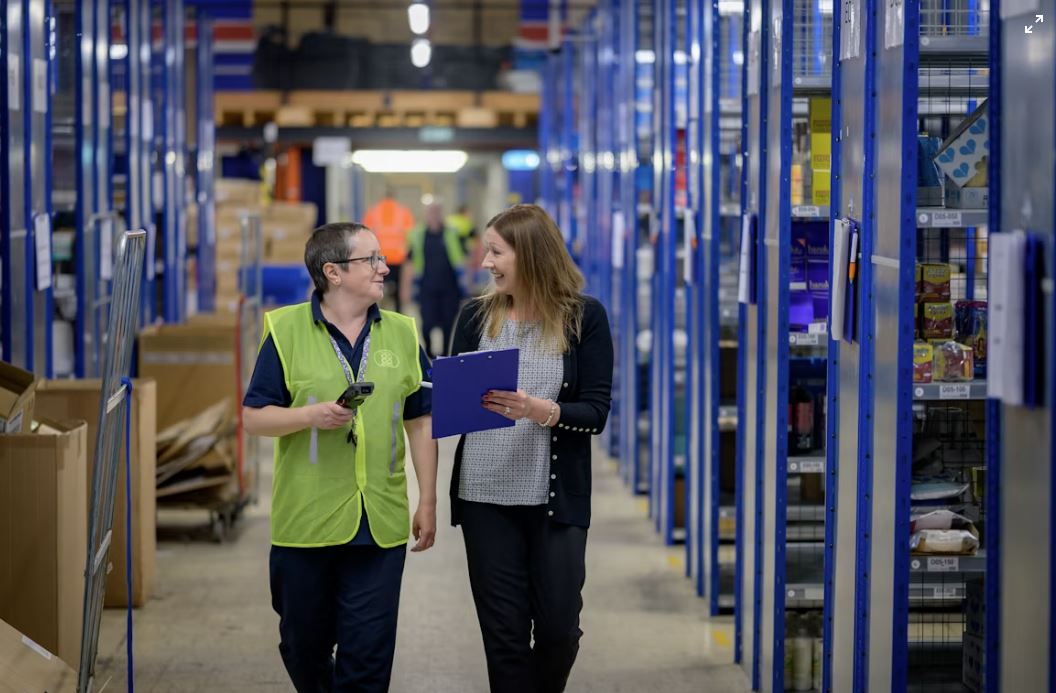
According to industry reports, the global warehousing and storage market is expected to continue expanding as e-commerce, manufacturing, and global trade increase demand for faster order fulfillment. In the United States alone, there are more than 20,000 warehousing and storage facilities employing over 1.8 million workers, highlighting the critical role warehouses play in modern supply chains. With businesses handling larger inventories and shorter delivery timelines, having the right warehouse equipment has become essential for improving productivity, safety, and operational efficiency.
A modern warehouse is more than just a place to store products. It is a highly organized environment where receiving, storing, picking, packing, and shipping must happen accurately and quickly. The right equipment allows businesses to maximize available space, reduce labor challenges, minimize errors, and maintain smooth daily operations.
Whether a warehouse manages small consumer goods, heavy industrial materials, or large-scale distribution activities, certain equipment is considered essential. Below are the must-have tools and systems that help warehouses operate effectively.
1. Storage Racks and Shelving Systems
One of the most important investments for any warehouse is a reliable storage system. Storage racks and shelving units help businesses organize inventory while making the best use of available space.
Pallet racking systems are commonly used in warehouses that store large quantities of goods. They allow products to be stored vertically, increasing storage capacity without requiring additional floor space. Popular options include selective pallet racks, drive-in racks, and heavy-duty cantilever racks, each designed for different inventory requirements.
For smaller products, industrial shelving systems provide easy access and better organization. Proper shelving reduces clutter, improves inventory visibility, and helps employees locate products faster, which ultimately improves warehouse efficiency.
2. Forklifts
Forklifts are among the most essential machines in warehouse operations. They are designed to lift, transport, and position heavy loads that cannot be moved manually, making them a key part of material handling processes.
Different warehouse environments require different forklift types. Electric forklifts are commonly used indoors because they operate quietly and produce fewer emissions, while diesel and gas-powered models are often preferred for outdoor operations and heavy-duty applications.
Businesses looking to expand their material handling capabilities often research options such as a forklift for sale to find equipment that matches their lifting requirements, warehouse layout, and operational budget. Choosing the right forklift can improve productivity while reducing physical strain on employees.
Because forklifts involve heavy machinery, proper operator training, regular maintenance, and safety procedures are necessary to prevent accidents and ensure reliable performance.
3. Pallet Jacks
Pallet jacks, also called pallet trucks, are simple yet highly effective warehouse tools. They allow employees to move palletized goods over short distances without needing large machinery.
Manual pallet jacks are affordable and practical for smaller facilities, while electric pallet jacks provide additional power for warehouses with higher workloads. They are especially useful in loading areas, storage aisles, and shipping zones where frequent movement of goods is required.
Their compact design makes pallet jacks ideal for warehouses with limited space, allowing workers to move products efficiently through narrow aisles.
4. Conveyor Systems
Conveyor systems improve warehouse workflow by automating the movement of products from one area to another. They reduce the amount of manual transportation required and help businesses process orders more quickly.
Common conveyor systems include belt conveyors, roller conveyors, and automated sorting systems. They are especially valuable in large fulfillment centers where thousands of products must be processed daily.
By improving product movement, conveyor systems can increase efficiency, reduce employee fatigue, and support faster shipping operations.
5. Warehouse Management Systems (WMS)
Technology has transformed modern warehouse operations. Warehouse Management Systems (WMS) provide digital solutions for controlling inventory, tracking shipments, managing storage locations, and improving workflow.
A WMS helps businesses maintain accurate stock records, reduce picking errors, and make better operational decisions. These systems often integrate with barcode scanners, RFID technology, and mobile devices to provide real-time information throughout the warehouse.
For companies managing large inventories, warehouse management software is essential for maintaining accuracy and efficiency.
6. Barcode Scanners and Labeling Equipment
Accurate inventory tracking is crucial for warehouse success. Barcode scanners allow employees to quickly record incoming shipments, locate products, and update inventory records.
Label printers and labeling systems also play an important role by ensuring that products, shelves, and pallets are clearly identified. Proper labeling reduces mistakes during picking, packing, and shipping processes.
Many modern warehouses use handheld scanning devices that allow employees to update information instantly while moving around the facility.
7. Packing Stations
A well-designed packing area helps warehouses process customer orders faster and more accurately. Packing stations typically include worktables, packaging materials, weighing scales, label printers, and storage areas for shipping supplies.
An organized packing station reduces wasted time and improves consistency in order preparation. Adjustable workstations can also improve employee comfort and support safer working conditions.
For businesses handling high order volumes, efficient packing stations are essential for maintaining customer satisfaction.
8. Safety Equipment
Warehouse safety should always be a top priority. Proper safety equipment protects employees and reduces workplace risks.
Essential safety items include protective footwear, gloves, helmets, high-visibility clothing, warning signs, emergency equipment, and safety barriers. Warehouses should also maintain proper lighting, clear walkways, fire protection systems, and emergency exits.
Investing in safety equipment not only supports employee well-being but also helps businesses maintain compliance with workplace safety regulations.
9. Loading and Unloading Equipment
The loading and unloading process is one of the busiest parts of warehouse operations. Equipment such as loading ramps, dock levelers, lift tables, and dock shelters helps make the movement of goods safer and more efficient.
These tools reduce manual effort, speed up transportation processes, and help prevent damage to products during transfers between delivery vehicles and storage areas.
10. Maintenance and Cleaning Equipment
A clean and properly maintained warehouse creates a safer and more productive working environment. Industrial cleaning equipment, including floor sweepers, industrial vacuum cleaners, and cleaning carts, helps keep facilities organized.
Maintenance tools are also important for keeping warehouse machinery operating correctly. Regular inspections and preventive maintenance reduce unexpected equipment failures and extend the lifespan of valuable assets.
The right warehouse equipment is essential for building an efficient, safe, and productive operation. From storage racks and forklifts to advanced software systems and safety tools, every piece of equipment contributes to better workflow and improved performance.
Businesses should carefully evaluate their warehouse size, inventory type, operational needs, and future growth plans before investing in equipment. A well-equipped warehouse not only improves daily productivity but also provides a strong foundation for long-term success in today’s competitive supply chain industry.