








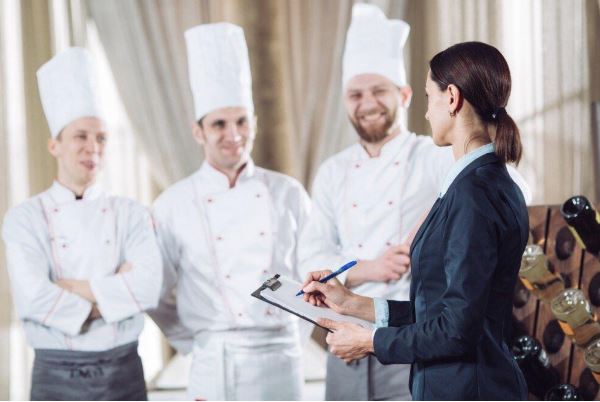
Running a restaurant in Australia has never been more challenging. Between rising food costs, staffing shortages, and ever-changing customer expectations, it’s easy to feel overwhelmed. That’s where restaurant management consulting comes into play. These industry experts bring fresh perspectives, proven strategies, and hands-on experience to help venues navigate choppy waters and come out stronger on the other side.
In this post, we’ll explore what restaurant management consulting actually involves, the telltale signs your venue might need professional help, and the key secrets that make consulting engagements genuinely successful. Whether you’re running a cosy café in Melbourne or a fine dining establishment in Sydney, understanding how consultants work—and how to choose the right one—could be the game-changer your business needs.
What Is Restaurant Management Consulting?
Restaurant management consulting is a specialised service where experienced hospitality professionals analyse, advise, and help implement improvements across all aspects of a restaurant’s operations. Think of it as bringing in a seasoned coach who’s seen it all and knows exactly what works.
The Core Services of a Restaurant Consultant
A good consultant offers a range of services tailored to your specific needs. These typically include operational audits, menu engineering, staff training programmes, financial analysis, and marketing strategy development. Some consultants also specialise in concept development for new venues or complete turnarounds for struggling establishments.
The best consultants don’t just hand over a report and wish you luck. They roll up their sleeves and work alongside your team, implementing changes and measuring results along the way.
How Does Restaurant Consulting Differ from General Business Consulting?
While general business consultants understand profit margins and operational efficiency, restaurant consultants bring something extra—deep industry knowledge. They understand the unique pressures of kitchen workflows, the psychology of menu design, and the complexities of managing hospitality staff.
This specialised expertise means they can spot issues that a generalist might miss entirely. Plus, they speak your language and understand the realities of running a food business.
Signs Your Restaurant Needs a Management Consultant
Recognising when you need help is half the battle. Here are the warning signs that shouldn’t be ignored.
Declining Profits Despite Steady Customer Traffic
If customers keep coming but your bank balance tells a different story, something’s off. This often points to issues with food costs, portion control, or operational inefficiencies that are eating into your margins. A consultant can pinpoint exactly where the money’s leaking.
High Staff Turnover and Recruitment Challenges
The hospitality industry already struggles with retention, but if your revolving door is spinning faster than most, there’s usually an underlying cause. Poor management practices, inadequate training, or toxic workplace culture are common culprits that consultants are skilled at identifying and addressing.
Operational Bottlenecks and Inefficiencies
Long ticket times, constant stock shortages, or a kitchen that feels chaotic during service? These operational hiccups don’t just frustrate your team—they cost you money and damage your reputation. An experienced consultant can streamline your processes and bring order to the chaos.
How Much Does a Restaurant Consultant Cost?
Is Hiring a Restaurant Consultant Worth the Investment?
The short answer? Usually, yes. A good consultant should deliver returns that far exceed their fees. Whether that’s through reduced food waste, improved staff efficiency, or increased average spend per customer, the improvements typically pay for themselves within months.
The key is choosing someone with a proven track record and clear deliverables.
Key Secrets to Successful Restaurant Management Consulting
Now we’re getting to the good stuff. These are the approaches that separate truly effective consulting engagements from those that fizzle out.
Conducting Thorough Operational Audits
Every successful consulting engagement starts with understanding where you are now. This means examining every aspect of your operation—from how orders are taken to how rubbish is disposed of. Nothing escapes scrutiny.
The audit should cover financial performance, staff workflows, customer feedback, supplier relationships, and competitive positioning. Without this foundation, any recommendations are just educated guesses.
Building Customised Strategies for Each Venue
Cookie-cutter solutions don’t work in hospitality. What transforms one restaurant might sink another. Great consultants develop bespoke strategies that account for your specific market, concept, team capabilities, and financial constraints.
They take the time to understand your vision and work within your reality, not some idealised version of what a restaurant should be.
Focusing on Staff Training and Development
Your team makes or breaks the guest experience. That’s why effective consultants prioritise training and development programmes that upskill your existing staff rather than suggesting wholesale replacements.
This might include leadership development for managers, service standards training for front-of-house, or technique improvement for kitchen staff.
Streamlining Menu Engineering and Food Costs
Menu engineering is both an art and a science. It involves analysing what sells, what’s profitable, and what should be removed. Smart consultants help you design menus that guide customers toward high-margin items while maintaining appeal.
They’ll also examine your purchasing, portion control, and waste management to trim costs without sacrificing quality.

Implementing Technology and Modern Systems
From point-of-sale systems to inventory management software, technology can transform restaurant operations. Good consultants stay current with the latest tools and help you implement solutions that genuinely improve efficiency—not just add complexity.
What Do Restaurant Consultants Actually Do?
Understanding the day-to-day reality helps set expectations.
Day-to-Day Involvement vs Strategic Oversight
Consulting engagements vary widely. Some consultants embed themselves in your venue for weeks, working alongside staff during service. Others provide strategic oversight with weekly check-ins and remote support.
The right approach depends on your needs, budget, and how hands-on you want the consultant to be.
Measuring Success and ROI
Reputable consultants establish clear metrics from the start. These might include targets for food cost percentage, labour costs, customer satisfaction scores, or revenue growth. Regular reporting ensures everyone’s accountable and progress is visible.
How Do I Choose the Right Restaurant Consultant?
Not all consultants are created equal. Here’s how to find the right fit.
Questions to Ask Before Hiring
Ask about their specific experience in your style of venue. Request case studies and references from past clients. Clarify their fee structure and what deliverables you’ll receive. Most importantly, ask how they measure success.
Red Flags to Watch Out For
Be wary of consultants who promise overnight miracles or refuse to provide references. Anyone who offers generic solutions without first understanding your specific situation should raise concerns. Trust your instincts—if something feels off, it probably is.
Can a Consultant Help Turn Around a Failing Restaurant?
Absolutely. In fact, turnarounds are where great consultants truly shine.
Real-World Turnaround Strategies That Work
Successful turnarounds often involve tough decisions: menu overhauls, staff restructuring, rebranding, or even temporary closures for renovation. The consultant’s role is to identify what’s salvageable, what needs changing, and how to execute the transformation quickly and effectively.
The Future of Restaurant Management Consulting in Australia
The Australian hospitality landscape continues evolving rapidly. Sustainability, technology integration, and changing consumer preferences are reshaping the industry. Forward-thinking consultants are already helping venues adapt to these shifts.
Expect to see more specialisation in areas like sustainable operations, digital transformation, and ghost kitchen concepts.
Taking the First Step Towards Transformation
We’ve covered a lot of ground here—from understanding what restaurant consultants actually do to recognising when your venue needs help and how to choose the right partner. The key secrets we’ve explored all share a common thread: successful consulting is about understanding your unique situation and building tailored solutions that your team can actually implement.
If your restaurant is struggling—or even if it’s doing well but you sense there’s untapped potential—bringing in an experienced consultant could be one of the smartest investments you make. They bring objectivity, expertise, and fresh perspectives that are nearly impossible to develop when you’re deep in the daily grind.
So, what’s holding you back? Take that first step. Research consultants who specialise in your style of venue, have honest conversations about your challenges, and be open to the changes they recommend. Your restaurant’s transformation might be closer than you think.