







When parents pick up their children from early learning, they often ask the same question: what did you do today? The answer is frequently a cheerful “played.” To some parents, this might sound like the day was spent simply passing time. In reality, play is the foundation of early learning. Through play, young children develop language, problem solving, social skills, creativity, physical coordination and emotional resilience.
Understanding what happens during the day helps parents appreciate the learning hidden in every game.
The Early Years Learning Framework
Early childhood education in Australia is guided by the Early Years Learning Framework, a national framework that describes the principles, practices and outcomes that support children’s learning from birth to five years. The framework emphasises belonging, being and becoming: helping children feel secure and connected, valuing their present experiences and supporting their growth.
Play-based learning is central to the framework.
Learning Through Play
Play allows children to explore, experiment and make sense of the world. Building with blocks develops spatial awareness, maths concepts and engineering thinking. Dramatic play, such as playing shops or families, builds language, social understanding and empathy. Art and craft develop fine motor skills and creativity. Outdoor play builds strength, balance and coordination.
Educators observe children’s interests and design experiences that extend their learning.
The Role of Educators
Qualified educators are skilled at recognising learning opportunities and supporting children’s development. They ask open-ended questions, introduce new vocabulary, encourage problem solving and help children work through social challenges. They document learning through observations, photos and portfolios that families can see.
High-quality childcare centres employ educators who understand child development deeply and who create warm, responsive relationships with each child, because secure relationships are the foundation from which children feel confident to explore and learn.
Routines Provide Security
Daily routines, such as arrival, meal times, rest and pack-up, give children a sense of predictability and security. Routines also provide learning opportunities. Meal times build independence, social skills and healthy eating habits. Rest times support wellbeing.
Transitions between activities help children learn to manage change.
Social and Emotional Learning
Early learning environments are often children’s first experience of being part of a group outside the family. They learn to share, take turns, negotiate, cooperate and resolve conflicts. Educators support children to recognise and express emotions, develop empathy and build friendships.
These skills are among the most important predictors of later success at school and in life.
Language and Literacy
Songs, stories, rhymes, conversations and play all support language development. Educators read books, encourage storytelling and introduce children to print in meaningful ways. Early literacy is not about formal reading lessons but about developing a love of language and stories.
Numeracy Everywhere
Maths concepts appear throughout play: counting blocks, sorting objects by colour, measuring ingredients in cooking, recognising shapes and patterns, and comparing sizes. These experiences build a foundation for later mathematical understanding.
Outdoor Learning
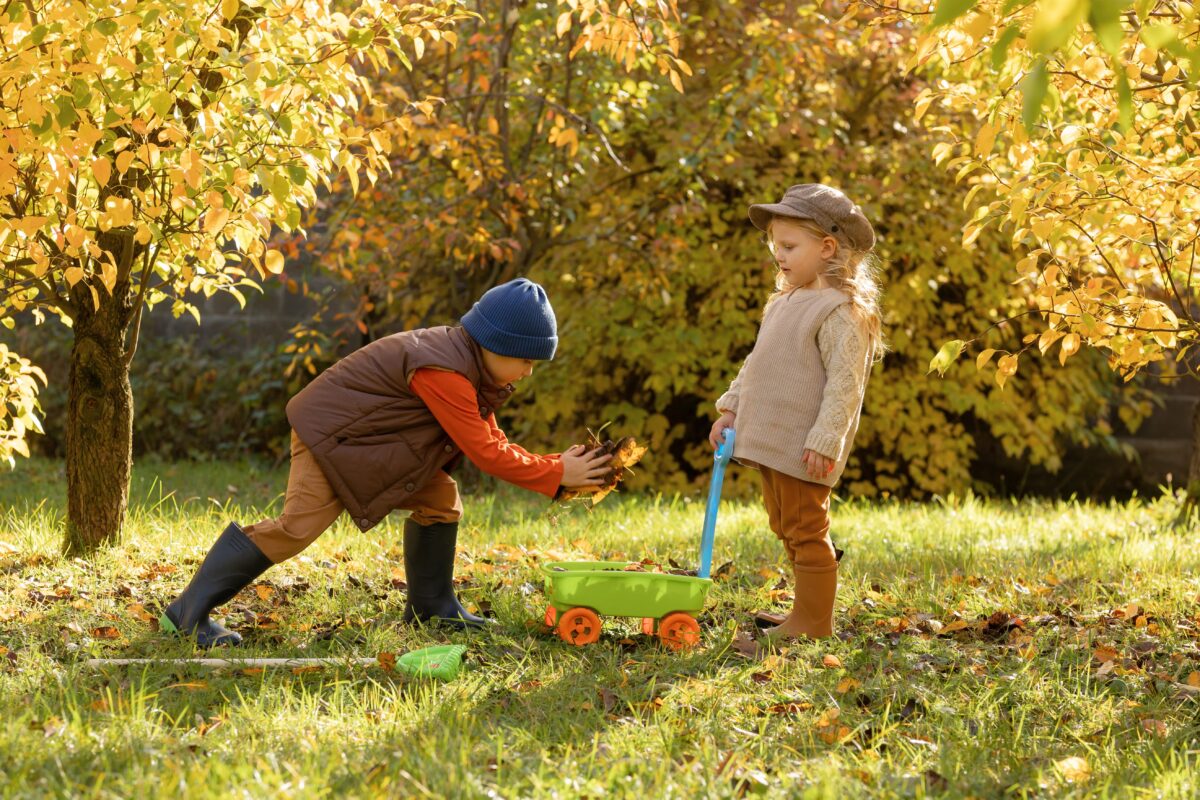
Outdoor play offers unique benefits. Children run, climb, dig, balance and explore nature. They encounter risk in managed ways, building confidence and judgement. Gardens, sandpits and natural play spaces encourage curiosity and connection with the environment.
Preparing for School
Early learning programs support the transition to school by developing skills such as independence, concentration, following instructions, social confidence and early literacy and numeracy. Many services run specific school readiness programs in the year before school.
Partnering With Families
Families are children’s first and most important teachers. Quality early learning services value partnerships with families, sharing information about children’s learning and inviting families to contribute. Regular communication helps educators understand each child and helps families extend learning at home.
How Parents Can Support Learning at Home
Families can extend the learning that happens at early childhood services in simple ways. Read together every day, talk about what you see on walks, sing songs, cook together and let children help with everyday tasks such as sorting washing or setting the table. Ask open questions about their day, such as who they played with or what made them laugh, rather than yes or no questions. Displaying artwork, noticing effort and allowing plenty of unstructured play at home all reinforce the message that curiosity and creativity are valued.
Recognising Individual Differences
Every child develops at their own pace. Some children talk early and walk late, while others climb everything long before they speak in sentences. Educators look at the whole child and can talk with families about any concerns, linking them with health professionals or early intervention services where appropriate.
Valuing Play
The next time your child says they played all day, remember that play is how young children learn best. Every block tower, painting, imaginary game and outdoor adventure builds skills that will serve them throughout life. Quality early learning recognises and nurtures this, giving children a strong start on their learning journey.