








Property marketing has changed dramatically over the past two decades. Newspaper listings with a single grainy photo have given way to online portals, social media campaigns, virtual tours and video walkthroughs. Buyers now begin their search on screens, scrolling through dozens of listings in minutes. In that crowded environment, the first image needs to stop them in their tracks.
Increasingly, that image is taken from the sky.
Why Aerial Images Capture Attention
Ground-level photographs show a property’s facade and interiors, but they rarely convey its full context. Aerial images reveal the size and shape of the block, the layout of gardens and outdoor areas, proximity to beaches, parks, schools and shops, and the character of the surrounding neighbourhood.
For properties with large land, water views, rural acreage or unique positions, aerial images can communicate value that would otherwise be difficult to show.
Showcasing Lifestyle
Buyers are not just purchasing bricks and mortar. They are buying into a lifestyle. Aerial imagery can show the walk to the beach, the tree-lined streets, the nearby golf course or the expansive views across a valley. These images help buyers imagine their life in the home.
Sunrise and sunset shoots add atmosphere, highlighting how light falls on the property and surrounding landscape.
Highlighting Land and Features
For acreage and rural properties, aerial photography is particularly valuable. It shows boundaries, paddocks, dams, sheds, driveways and access roads, giving buyers a clear understanding of what they are purchasing. Developers use aerial images to show the potential of sites.
For homes with pools, tennis courts or extensive landscaping, overhead shots display these features beautifully.
Working With Professionals
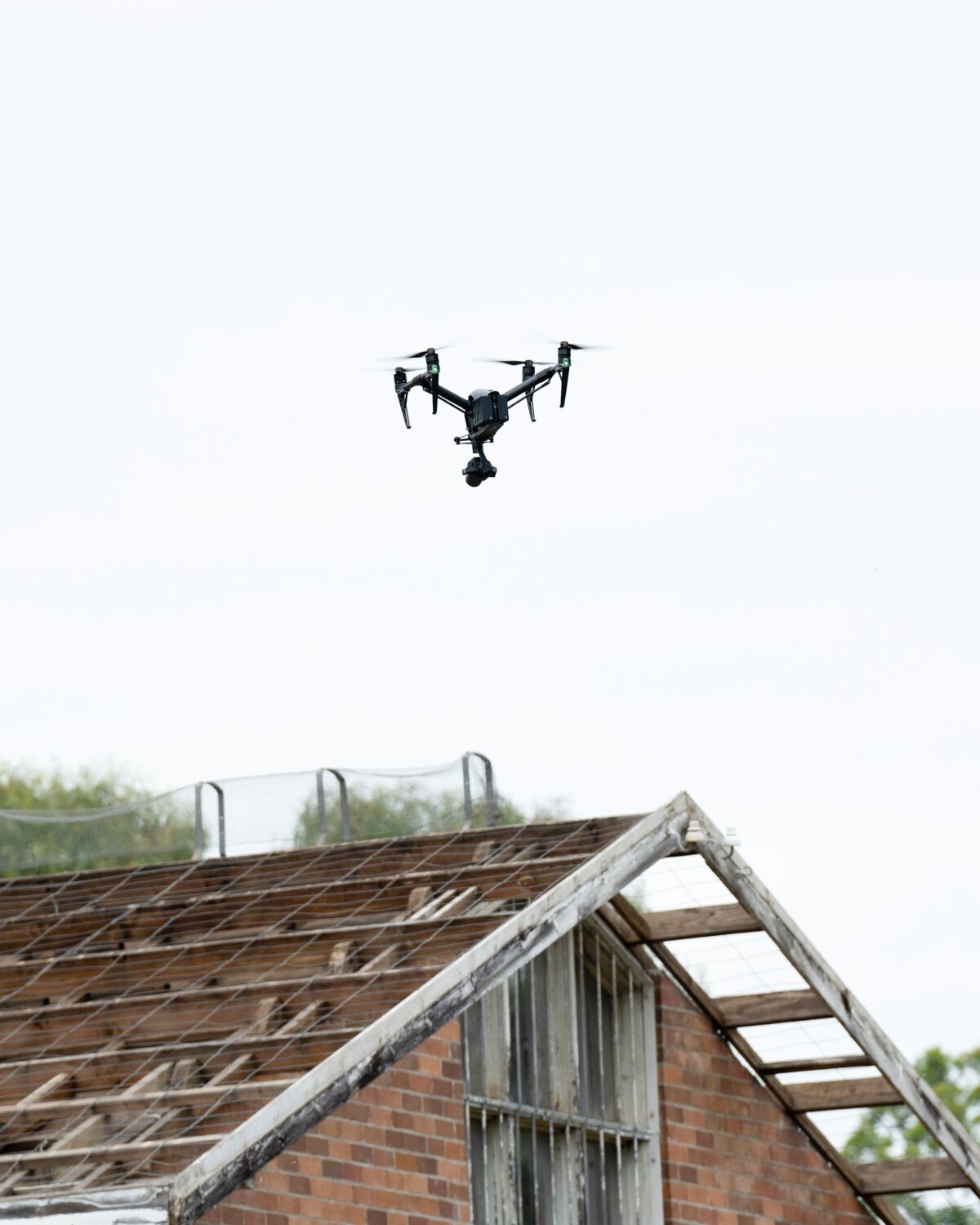
Capturing high-quality aerial images requires skill, appropriate equipment and knowledge of aviation regulations. Professional drone photography ensures properties are captured at their best, with careful attention to composition, lighting and angles, while flights are conducted safely and in compliance with Civil Aviation Safety Authority rules.
Professional operators also understand how to edit images for property marketing, enhancing clarity and colour without misrepresenting the property. Accuracy matters, since images that exaggerate a home’s features can disappoint buyers at inspection and damage trust in the listing.
Combining Aerial and Ground Photography
The most effective property campaigns combine aerial images with high-quality ground-level and interior photography. Aerial shots set the scene and attract attention, while interior images show living spaces, finishes and layout. Floor plans, video walkthroughs and virtual tours complete the picture.
Video Adds Another Dimension
Aerial video allows buyers to experience the property in motion, flying over the roof, revealing the backyard and gliding towards nearby attractions. Short video clips are particularly effective on social media, where they can reach buyers who are not actively searching listings.
Preparing the Property
Preparation matters for aerial shoots just as much as for ground photography. Tidy gardens, mow lawns, clean pools, remove clutter from roofs and gutters, and move cars from driveways. Open curtains and turn on lights for twilight shoots. Small details are visible from above.
Weather and Timing
Weather affects aerial photography significantly. Clear skies and calm winds are ideal. Golden hour, shortly after sunrise and before sunset, provides soft, warm light that flatters properties. Overcast days can work for some properties but may make images look flat.
Flexibility with scheduling allows photographers to choose the best conditions.
Privacy and Neighbours
Responsible operators consider the privacy of neighbours. Images should focus on the property being marketed, and operators should avoid capturing identifiable people without consent. Informing neighbours of a planned shoot can prevent concerns.
Beyond Real Estate
Aerial photography is also popular for events, tourism, construction, weddings, community projects and marketing for businesses with impressive premises or locations. Hotels, wineries, golf courses and resorts use aerial imagery to showcase their settings.
Measuring Impact
Many agents report that listings with aerial imagery attract more online views and enquiries. While images alone do not sell properties, they play an important role in attracting buyers to inspections, where the property can make its case in person.
Planning the Shot List
Before the shoot, agree on a shot list with the photographer. Typical aerial images include a high overview showing the property in its neighbourhood, a lower angle highlighting the home and yard, a top-down view of the block, and images that point towards nearby attractions such as the beach, river, school or town centre. For marketing that includes boundary overlays or labels, confirm the details carefully so the finished images are accurate. A clear plan keeps the shoot efficient and ensures nothing important is missed.
Elevating the Campaign
In a competitive property market, presentation is everything. Aerial photography offers a fresh perspective that helps properties stand out, communicates context and lifestyle, and engages buyers from the very first scroll. For sellers and agents seeking to make the strongest possible impression, the view from above is often the most powerful image of all.