







New homeowners face different pressures than buyers did a decade ago. Homes cost more, layouts run smaller, and daily routines change faster than floor plans can keep up. Homeowners are choosing multi-use rooms because fixed spaces no longer match how people live, work, and relax. A single room now needs to support several functions without feeling crowded or improvised. This shift reflects practical decision-making rather than trend chasing. Buyers want rooms that stay useful through job changes, family growth, and lifestyle shifts. Multi-use design supports that goal by reducing wasted space and improving daily comfort without constant rearranging or upgrades.
Living Areas That Adapt Without Losing Comfort
Living rooms now carry more responsibility than entertainment alone. Many homeowners expect this space to support quiet work, casual meals, and evening downtime without disruption. Transforming spaces for comfort and style depends on thoughtful spacing, movable seating, and lighting that adjusts by time of day. Clear walking paths prevent the room from feeling cramped, even when furniture shifts position. Storage that blends into walls keeps daily items nearby without visual clutter. The result feels intentional instead of temporary. Homeowners value living areas that remain calm while adjusting to changing needs throughout the day.
Bedrooms That Support Work and Rest
Bedrooms increasingly serve double duty, especially in homes without spare rooms. Many homeowners add compact desks, reading corners, or wardrobe systems while protecting rest quality. Effectively simplifying the entire process by blending tasks without disrupting sleep patterns is the point. Clear separation between work items and rest areas helps maintain balance. During the process of setting up your bedroom, or when relocating into a new home, the initial setup becomes easier with smart labeling tips that make unpacking easy, allowing furniture and supplies to land in the right place immediately. This planning reduces friction and prevents the bedroom from turning into a storage zone instead of a place to recharge.
Kitchens That Serve More Than Cooking
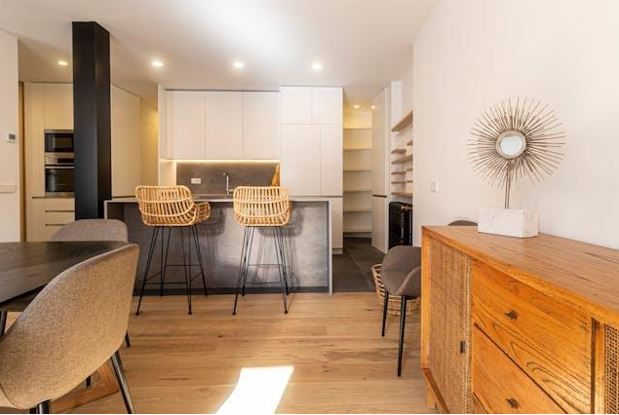
Kitchens now support planning, conversation, and daily work along with food preparation. Islands often act as prep stations, dining surfaces, or short-term workspaces without blocking movement. Storage placed at eye level reduces bending and repeated steps. Appliance efficiency also matters, especially in rooms used all day. There are many layout ideas that show how thoughtful kitchen planning supports frequent use without strain. Homeowners want kitchens that handle constant activity without becoming stressful. A flexible kitchen layout keeps the space functional while protecting comfort and safety.
Storage Rooms That Enhance Daily Living
Storage spaces no longer exist only to hide clutter. Many homeowners redesign these rooms to support fitness, hobbies, or seasonal rotation, enhancing the functionality of their home as a result. Open shelving, labeled bins, and adjustable racks help items stay visible and accessible. This approach saves time during busy weeks and reduces frustration during transitions. A storage room that supports daily routines adds value far beyond square footage. Homeowners favor setups that stay easy to manage without constant reorganization.
Dining Spaces With Flexible Roles That Show Why Homeowners Are Choosing Multi-Use Rooms
Dining rooms often sit unused in modern homes, which leads many owners to redefine their purpose. Tables now support meals, focused work, and shared projects throughout the week. Chairs move easily, allowing the room to shift function without effort. Lighting plays a key role, since one setting rarely works for every activity. Homeowners prefer dining spaces that stay active rather than reserved. This shift reflects changing habits and smaller households. A dining area that adapts remains relevant and useful instead of formal and underused.
Home Offices That Blend Into Shared Rooms
Not every home can support a separate office, yet focused work still requires structure. Many homeowners integrate work zones into guest rooms or living spaces using shelving, screens, or lighting changes. Many practical guidelines support this approach by highlighting how layout, light control, and separation improve focus in home office settings. These details matter when work happens outside a traditional office. A shared room can still support concentration when layout choices reduce distraction. Homeowners prefer solutions that feel stable rather than temporary, even when space remains limited.
Children’s Rooms Built for Growth
Children’s rooms now serve more than sleep and play. Many parents design these spaces to support study, storage, and downtime without frequent resets, which reflects why homeowners are choosing multi-use rooms across different areas of the home. Furniture that adjusts over time reduces replacement costs and disruption. Clear storage systems help children maintain order without adult intervention. This approach supports independence while keeping the room functional. Parents favor layouts that reduce daily cleanup pressure and support calmer routines. A room that adapts to growth prevents constant redesigns and supports stability during school and schedule changes.
Small Homes That Demand Creative Planning
Limited square footage forces homeowners to evaluate every design choice carefully. Ideas for small apartments often center on rooms that change purpose without heavy lifting or constant movement. Wall-mounted furniture, sliding panels, and shared storage keep spaces open. Clear boundaries between uses prevent confusion and clutter. Residents benefit from layouts that support daily flow rather than strict separation. Small homes function better when each room works harder without feeling overused. Thoughtful planning allows compact spaces to stay comfortable and efficient.
Planning Multi-Use Rooms During a Move
A move often triggers a full reassessment of how rooms should function. Planning layouts early helps make the space more functional before furniture arrives. Homeowners who assign roles to rooms before unpacking avoid unnecessary reshuffling later. Grouping items by use rather than room speeds setup and reduces confusion. This approach supports faster settling and fewer adjustments. Multi-use planning during relocation creates stability from the first week instead of months later.
The Practical Value of Rooms With Multiple Roles
Multi-use rooms reflect how homeowners think about space today. Homeowners are choosing multi-use rooms because flexible layouts support changing routines without constant redesign. These rooms reduce wasted space, support daily flow, and ease transitions during moves. As homes adjust to modern demands, spaces that serve several purposes remain practical and efficient. Multi-use design supports long-term comfort without added complexity.