








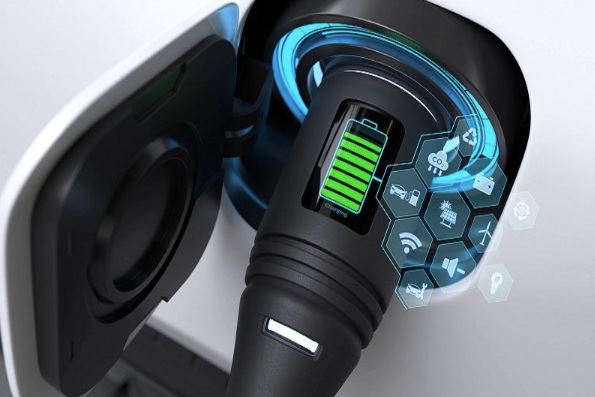
You’re not alone. Thousands of Australians are making the switch to electric vehicles, and home charging has become a hot topic. The convenience of waking up to a fully charged car every morning is pretty hard to beat. Plus, charging at home is typically cheaper than using public stations, especially if you’ve got solar panels or a good off-peak electricity rate.
In this guide, we’ll walk you through everything you need to know about installing an EV charger at home. From understanding the different charger types to the tools you’ll need, costs involved, and the step-by-step installation process—we’ve got you covered. Whether you’re considering a DIY approach or planning to hire a licensed electrician, this article will help you make informed decisions. Let’s get stuck into it.
Understanding EV Charger Types
Level 1 vs Level 2 Chargers: What’s the Difference?
Before you start planning your installation, it’s crucial to understand the two main types of home chargers available. Level 1 chargers use a standard 240V household outlet—the same one you’d plug your toaster into. They’re slow, typically adding only 10-15 kilometres of range per hour of charging.
Level 2 chargers, on the other hand, require a dedicated circuit and can deliver much faster charging speeds. We’re talking 40-70 kilometres of range per hour, depending on your vehicle and the charger’s output. For most Aussie EV owners, Level 2 is the way to go.
Which EV Charger is Best for Your Home?
Choosing the right charger depends on your driving habits and daily kilometre needs. If you only do short trips around town, a Level 1 charger might suffice. However, if you’re commuting longer distances or want the flexibility of quick top-ups, Level 2 is your best mate. Consider chargers with smart features like app control, scheduled charging, and energy monitoring for added convenience.
Can I Install an EV Charger Myself?
DIY vs Professional Installation: What You Need to Know
Here’s the thing—while some handy homeowners might be tempted to tackle this project themselves, electrical work in Australia comes with strict regulations. A Level 1 charger simply plugs into an existing outlet, so that’s straightforward. But Level 2 chargers require hardwiring into your electrical system.
Unless you’re a licensed electrician yourself, you’ll need to hire a professional for Level 2 installation. It’s not just about following rules—it’s about safety. Working with high-voltage electrical systems without proper training can be dangerous, and incorrect installation could void your charger’s warranty or your home insurance.
Legal Requirements and Electrical Regulations in Australia
In Australia, all electrical work must be completed by a licensed electrician and comply with AS/NZS 3000 (the Wiring Rules). Your installation will also need to meet local council requirements and may require an electrical safety certificate. Some states have specific regulations for electric car charger installation melbourne, so it’s worth checking with your local authority before proceeding.
Essential Tools for EV Charger Installation
Basic Hand Tools You’ll Need
If you’re assisting with the installation or preparing the space, here are some basic tools that come in handy:
– Screwdrivers (flathead and Phillips)
– Power drill with masonry and wood bits
– Spirit level
– Tape measure
– Cable clips and fixings
– Fish tape for cable routing
Electrical Testing Equipment
Your electrician will bring professional testing equipment, including multimeters, circuit testers, and insulation resistance testers. These tools verify that all connections are safe and the installation meets Australian standards.
Safety Gear and Protective Equipment
Safety first, always. Proper installation requires safety glasses, insulated gloves, and appropriate footwear. Your electrician will have all necessary personal protective equipment, but if you’re helping with preparation work, make sure you’re kitted out properly too.
How Much Does It Cost to Install an EV Charger?
Breakdown of Installation Costs
Let’s talk money. The cost of EV charger installation in Australia typically ranges from, including the charger unit and labour. A basic Level 2 charger unit costs between, while installation labour runs from depending on complexity.
Factors That Affect Your Final Price
Several factors can push your costs up or down. The distance between your switchboard and the charging location matters—longer cable runs mean higher costs. If your switchboard needs upgrading, that’s an additional expense. Wall-mounted installations are generally cheaper than pedestal mounts, and adding smart features or load management systems increases the price.
Government Rebates and Incentives Worth Exploring
Good news! Various Australian states offer rebates for electric car charger installation Melbourne. Victoria’s Zero Emissions Vehicle Subsidy, Queensland’s EV home charging grants, and similar programs can knock hundreds of dollars off your bill. Check your state government’s website for current offers—they change regularly, and you don’t want to miss out.
Step-by-Step EV Charger Installation Process
Assessing Your Electrical System Capacity
First up, your electrician will assess whether your current electrical system can handle an EV charger. Most Australian homes have 40-63 amp main switches, and a Level 2 charger typically requires a dedicated 32 amp circuit. If your system is already heavily loaded, you might need an upgrade.

Choosing the Right Location for Your Charger
Location matters more than you’d think. Your charger should be:
– Close to where you park your vehicle
– Protected from weather (under cover is ideal)
– Within reasonable distance of your switchboard
– Easily accessible without obstructions
Running Cables and Wiring Safely
Your electrician will run appropriate cables from the switchboard to the charger location. This might involve surface-mounted conduit, concealed wiring through walls, or underground cables for detached garages. All wiring must be properly protected and secured.
Mounting and Connecting Your EV Charger
Once the wiring is in place, the charger unit is mounted securely to the wall or pedestal. Connections are made according to manufacturer specifications, and the dedicated circuit breaker is installed in your switchboard.
Testing and Final Safety Checks
Before you plug in your car, thorough testing ensures everything works safely. This includes circuit testing, earth fault loop impedance testing, and functional testing of the charger itself. You should receive a certificate of compliance upon completion.
Do I Need to Upgrade My Switchboard for an EV Charger?
Signs Your Switchboard Needs an Upgrade
Older switchboards with ceramic fuses or limited capacity may need upgrading. Warning signs include frequently tripping breakers, an already full switchboard, or a main switch under 63 amps. If your home was built before the 1990s, an upgrade is more likely.
What a Switchboard Upgrade Involves
A switchboard upgrade typically costs and includes replacing old components with modern safety switches and circuit breakers. It’s a worthwhile investment that improves overall electrical safety and future-proofs your home.
How Long Does EV Charger Installation Take?
Most straightforward installations take 2-4 hours. However, if your project involves long cable runs, switchboard upgrades, or complex mounting situations, allow a full day. Your electrician should provide a time estimate during the quoting process.
Common Installation Mistakes to Avoid
Don’t cut corners. Common mistakes include choosing an undersized circuit, poor cable management, inadequate weatherproofing for outdoor installations, and skipping proper testing. Always use a licensed electrician and quality components—this isn’t the place to save a few dollars.
Hiring a Licensed Electrician: What to Look For
Questions to Ask Before Booking
Ask potential electricians about their experience with electric car charger installation Melbourne, whether they’re familiar with your specific charger brand, and if they’ll handle council approvals if required. Request references from previous EV installation customers.
Getting Quotes and Comparing Services
Get at least three quotes and compare like for like. Ensure quotes include all materials, labour, testing, and certification. The cheapest option isn’t always the best—experience and quality matter.
Maintaining Your EV Charger After Installation
EV chargers require minimal maintenance. Keep the unit clean, check cables regularly for damage, and ensure the charging port stays free from debris. Most chargers have built-in diagnostics that alert you to any issues.
Getting Started with Your EV Charger Installation
Installing an EV charger at home is one of the best decisions you can make as an electric vehicle owner. The convenience of home charging transforms the EV ownership experience, making those daily commutes and weekend adventures stress-free.
We’ve covered a lot of ground here—from understanding charger types and costs to the installation process and finding the right electrician. The key takeaway? While it might seem complex, a professional installation is straightforward when you work with experienced tradespeople who know Australian regulations inside out.
Ready to take the next step? Start by getting quotes from licensed electricians in your area, check for available government rebates, and choose a charger that suits your driving needs. Before you know it, you’ll be enjoying the simple pleasure of unplugging a fully charged car every morning. Happy charging!