








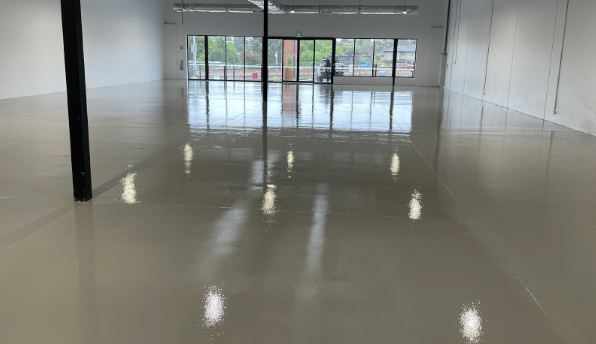
It might sound surprising, but your flooring plays a massive role in how smoothly your business runs. From the speed of forklift movements to the safety of your workers, every crack, stain, and uneven surface can chip away at productivity. That’s where warehouse epoxy floors come into play. This tough, sleek coating transforms ordinary concrete into a high-performance surface built for the demands of modern business.
In this article, we’ll explore how epoxy flooring can genuinely boost your workplace efficiency. You’ll discover what makes this coating so popular across Australian industries, the key benefits it offers, and whether it’s the right fit for your specific business needs. We’ll also tackle some common questions, like how long it lasts, what it costs, and what potential drawbacks you should consider. By the end, you’ll have a clear picture of why so many businesses are making the switch—and whether you should too.
What Is Warehouse Epoxy Flooring and How Does It Work?
Understanding the Epoxy Coating Process
Epoxy flooring is a specialised coating system made from a combination of resins and hardeners. When mixed together, these components create a chemical reaction that forms a rigid, plastic-like surface. This surface bonds directly to your existing concrete floor, creating an incredibly strong layer.
The application process involves several stages. First, the concrete must be thoroughly cleaned and prepared—often through grinding or shot blasting. Next, the epoxy mixture is applied in layers, with each coat allowed to cure before the next. The result is a seamless, glossy finish that’s both attractive and incredibly durable.
Types of Epoxy Flooring Systems for Commercial Spaces
Not all epoxy flooring is created equal. Self-levelling epoxy is popular for warehouses because it creates a smooth, even surface perfect for heavy machinery. Mortar epoxy systems offer maximum strength for areas with extreme impact. Quartz-filled epoxy provides excellent slip resistance, while flake epoxy adds decorative appeal alongside durability. Your choice depends on your specific operational needs.
Why Do Businesses Choose Epoxy Flooring for Warehouses?
Durability That Keeps Operations Moving
Warehouse epoxy floors are built to withstand serious punishment. Heavy forklifts, constant foot traffic, dropped equipment—epoxy handles it all without cracking or chipping. This durability means fewer repairs and less downtime, keeping your operations running smoothly day after day.
The seamless nature of epoxy also prevents dust and debris from accumulating in cracks. This keeps your warehouse cleaner and reduces wear on equipment. Plus, the surface resists oil, chemicals, and stains that would damage ordinary concrete.
Cost-Effectiveness Over the Long Term
While the upfront investment might seem significant, epoxy flooring pays for itself over time. You’ll spend less on repairs, replacement, and maintenance compared to traditional flooring options. The extended lifespan—often 15 to 20 years with proper care—means you won’t be facing major flooring projects every few years.
Safety Features That Protect Your Team
A safe workplace is a productive workplace. Epoxy flooring can be customised with anti-slip additives, making wet or oily conditions far less hazardous. You can also incorporate colour-coded zones and safety markings directly into the floor, guiding traffic flow and highlighting danger areas without the need for tape that peels away.
How Does Epoxy Flooring Improve Workplace Efficiency?
Faster Equipment Movement and Reduced Downtime
Smooth, level floors allow forklifts and pallet jacks to move faster and more safely. There’s no navigating around cracks or bumps, which means quicker transport times across your facility. This seemingly small improvement adds up to significant time savings over weeks and months.
Equipment also experiences less wear and tear on smooth surfaces. Fewer repairs mean fewer interruptions to your workflow and lower maintenance costs overall.
Enhanced Lighting and Visibility
The high-gloss finish of epoxy flooring reflects light beautifully. This can improve visibility throughout your warehouse without installing additional lighting. Better visibility means fewer accidents, faster product location, and a more pleasant working environment for your team.
Easier Maintenance and Cleaning Routines
Cleaning epoxy floors is remarkably straightforward. The non-porous surface doesn’t absorb spills, so a quick mop or scrub restores it to pristine condition. This ease of maintenance means less time spent cleaning and more time focused on productive work. Your cleaning team will thank you, and your floors will always look professional.
Is Epoxy Flooring Suitable for All Types of Businesses?
Manufacturing and Industrial Facilities
Manufacturing environments benefit enormously from epoxy flooring. The chemical resistance protects against spills, while the durability handles heavy machinery without complaint. Many Australian factories have made the switch and seen immediate improvements in cleanliness and efficiency.
Retail and Showroom Environments
Beyond warehouses, epoxy flooring works brilliantly in retail spaces. The attractive finish creates a professional appearance that impresses customers. It’s easy to maintain that showroom shine, even with high foot traffic. Plus, the design flexibility means you can match your brand colours perfectly.
Food Processing and Healthcare Settings
Hygiene-critical environments love epoxy flooring. The seamless surface leaves nowhere for bacteria to hide, making sanitation far more effective. Many food processing plants and healthcare facilities across Australia rely on epoxy for this exact reason.
How Long Does Epoxy Flooring Last in High-Traffic Areas?
With proper installation and maintenance, warehouse epoxy floors typically last between 10 and 20 years. In high-traffic areas, you might see some wear after 7 to 10 years, but this is often limited to the topcoat. A simple recoating can extend the floor’s life significantly without the expense of complete replacement.
Factors affecting longevity include the quality of installation, the type of traffic, and how well you maintain the surface. Investing in professional installation and following recommended cleaning procedures will maximise your floor’s lifespan.
What Are the Disadvantages of Epoxy Flooring to Consider?
Installation Time and Business Interruption
One genuine drawback is the installation timeline. Epoxy requires proper curing time—usually several days—during which the area cannot be used. For busy warehouses, this downtime requires careful planning. Many businesses schedule installation during slower periods or tackle sections in stages to minimise disruption.
Surface Preparation Requirements
Proper surface preparation is absolutely critical for epoxy flooring success. If your existing concrete has significant damage or moisture issues, these must be addressed first. Skipping this step leads to adhesion problems and premature failure. While this adds to installation complexity, it’s a necessary investment for long-term performance.
Epoxy Flooring vs Traditional Concrete: Which Is Better for Productivity?
Raw concrete might seem adequate, but it has significant limitations. It’s porous, absorbing spills and harbouring dust. It cracks under pressure and creates rough surfaces that slow equipment and accumulate dirt. Over time, maintenance costs climb while appearance deteriorates.
Epoxy flooring addresses all these issues. The sealed surface resists damage, reflects light, and maintains its appearance for years. While concrete requires constant attention, epoxy largely looks after itself. For productivity-focused businesses, the choice becomes clear. The initial investment in epoxy delivers ongoing returns through improved efficiency, reduced maintenance, and a safer working environment.

How Much Does Commercial Epoxy Flooring Cost in Australia?
In Australia, commercial epoxy flooring typically costs between per square metre, depending on several factors. Basic coatings sit at the lower end, while high-performance systems with additional features command premium prices.
Factors affecting cost include the floor’s current condition, the type of epoxy system selected, and accessibility of the space. Getting multiple quotes from reputable contractors helps you understand fair pricing for your specific project. Remember to consider long-term value, not just upfront cost.
Choosing the Right Epoxy Flooring Contractor for Your Business
Selecting the right contractor makes all the difference. Look for established companies with proven experience in commercial and industrial projects. Ask for references and examples of similar work. A quality contractor will thoroughly assess your floor, discuss your specific needs, and provide clear timelines and pricing.
Don’t be swayed by the cheapest quote. Poor installation leads to early failure, costing far more in the long run. Check that your contractor uses quality materials and offers reasonable warranties. Taking time to choose wisely pays dividends for years to come.
Investing in Your Floor Means Investing in Your Future
Throughout this article, we’ve seen how epoxy flooring transforms ordinary warehouse spaces into high-performance environments. From improved durability and safety to easier maintenance and better efficiency, the benefits touch virtually every aspect of your operations. Warehouse epoxy floors aren’t just a cosmetic upgrade—they’re a strategic investment in productivity.
Of course, no solution is perfect for everyone. The installation process requires planning, and upfront costs need consideration. But for most Australian businesses dealing with heavy traffic, demanding conditions, or strict hygiene requirements, epoxy flooring delivers exceptional value over its long lifespan.
If you’re serious about improving your workplace productivity, it’s worth taking a closer look at what’s beneath your feet. Your floor supports everything you do—literally. Making it work harder for you is simply smart business. Why not explore your options today and see what epoxy flooring could do for your operation?