








Orthodontic problems affect millions of people worldwide, ranging from crooked teeth to misaligned jaws. These issues are not only cosmetic but can also impact oral health, leading to difficulties in chewing, speaking, and maintaining proper hygiene. Fortunately, advances in modern dentistry and orthodontics offer numerous solutions to correct these problems, ensuring both functional and aesthetic improvements.
Understanding Orthodontic Problems
Orthodontic problems, commonly known as malocclusions, refer to irregularities in the alignment of teeth and jaws. They can manifest in several ways:
- Crowded Teeth – When teeth overlap or are too close together, it becomes difficult to clean them properly, increasing the risk of cavities and gum disease.
- Overbite and Underbite – An overbite occurs when the upper front teeth excessively overlap the lower teeth, while an underbite is when the lower teeth protrude past the upper teeth. Both conditions can affect chewing and speaking.
- Crossbite – This occurs when one or more upper teeth bite inside the lower teeth, causing uneven wear and jaw strain.
- Open Bite – In this case, the front teeth do not touch when the mouth is closed, leading to speech problems and difficulties in biting.
- Spacing Issues – Gaps between teeth, either due to missing teeth or small jaw size, can cause functional and cosmetic concerns.
Orthodontic problems are often caused by genetics, childhood habits such as thumb-sucking or prolonged use of a pacifier, premature loss of baby teeth, or injuries that affect jaw development.
Importance of Correcting Orthodontic Issues
While some may consider orthodontic problems purely cosmetic, they often have long-term health consequences. Misaligned teeth can lead to:
- Difficulty in Cleaning Teeth – Crowded or crooked teeth make brushing and flossing harder, increasing the risk of decay and gum disease.
- Jaw Pain and TMJ Disorders – Misaligned bites can strain the jaw muscles, leading to temporomandibular joint disorders (TMJ).
- Speech Impediments – Problems like overbites or open bites can affect speech clarity.
- Digestive Problems – Difficulty in chewing food properly can lead to digestive issues.
- Self-Esteem Issues – Crooked teeth or noticeable misalignment may affect confidence and social interactions.
Addressing these problems early, particularly in children and adolescents, can prevent complications and make treatment easier.
Orthodontic Treatments
Modern orthodontics offers a variety of treatment options tailored to different problems and patient needs. Some of the most common treatments include:
1. Braces
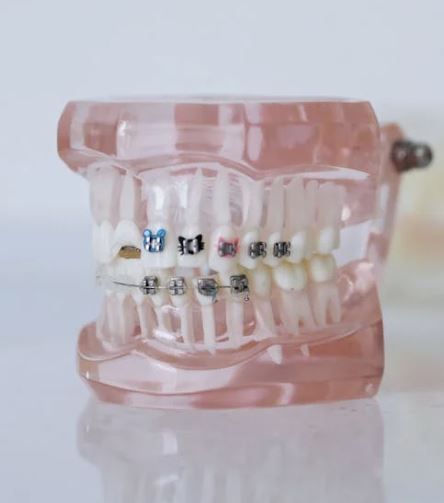
Braces are the most traditional and widely recognized orthodontic solution. They consist of brackets attached to the teeth and connected by wires that gradually move teeth into their proper positions. Braces are highly effective for treating complex cases, including severe crowding, overbites, and crossbites. There are several types:
- Metal Braces – The standard option, made of stainless steel, offering durability and effectiveness.
- Ceramic Braces – Tooth-colored brackets that are less noticeable but equally effective.
- Lingual Braces – Placed on the back of the teeth, making them invisible from the front.
2. Clear Aligners
Clear aligners, such as Invisalign®, are removable, transparent trays that gradually shift teeth into alignment. They are especially popular among adults and teens due to their discreet appearance and convenience. Aligners must be worn for 20–22 hours a day and are replaced every 1–2 weeks as the teeth move.
3. Retainers
Retainers are typically used after braces or aligners to maintain teeth positions. There are fixed and removable types, and they prevent teeth from reverting to their original misaligned state.
4. Palatal Expanders
For children with narrow upper jaws, palatal expanders can widen the palate gradually. This creates space for incoming permanent teeth and corrects crossbites, often avoiding the need for tooth extractions later.
5. Surgery
In severe cases involving jaw misalignment, corrective jaw surgery (orthognathic surgery) may be necessary. This procedure repositions the jaws to improve bite function and facial symmetry. It is often combined with braces for optimal results.
6. Tooth Extraction
Sometimes, crowded teeth require the removal of one or more teeth to create space for proper alignment. This approach is carefully planned to maintain balance and aesthetics.
Treatment Considerations
Orthodontic treatment is highly individualized, and several factors influence the choice of approach:
- Age – Early intervention in children can simplify treatment, whereas adults may require more complex solutions.
- Severity of Misalignment – Minor spacing or crowding may be corrected with aligners, while severe malocclusions often need braces or surgery.
- Patient Lifestyle – Removable aligners are convenient for active individuals, while fixed braces are more suitable for cases needing precise control.
- Cost and Time – Traditional braces may take 18–24 months, whereas some aligners offer shorter timelines. Costs vary depending on complexity, materials, and geographic location.
Consulting an experienced orthodontist is essential to develop a customized treatment plan that balances effectiveness, comfort, and aesthetics.
Maintaining Oral Health During Orthodontic Treatment
Proper oral hygiene is crucial during orthodontic treatment to prevent complications such as tooth decay and gum disease. Patients should:
- Brush at least twice daily using fluoride toothpaste and an orthodontic brush for hard-to-reach areas.
- Floss regularly, using specialized floss threaders if needed.
- Avoid sticky, hard, or sugary foods that can damage braces or increase cavity risk.
- Attend regular dental checkups for professional cleaning and monitoring of progress.
Following these practices ensures not only effective orthodontic results but also long-term dental health.
Psychological Benefits of Correcting Orthodontic Problems
Beyond physical health, correcting orthodontic problems can significantly improve self-esteem and social confidence. A straighter, well-aligned smile often boosts self-image and encourages more positive social interactions. For adolescents, who are particularly sensitive about appearance, this can have a profound impact on mental well-being.
Fixing orthodontic problems is more than just a cosmetic improvement—it is a comprehensive approach to enhancing oral health, functionality, and overall quality of life. With a variety of treatment options ranging from traditional braces to modern clear aligners, there are solutions for nearly every type of malocclusion. Early intervention, regular monitoring, and diligent oral care are key to achieving optimal results. By addressing orthodontic problems proactively, individuals can enjoy not only a beautiful smile but also better dental health and improved confidence.