








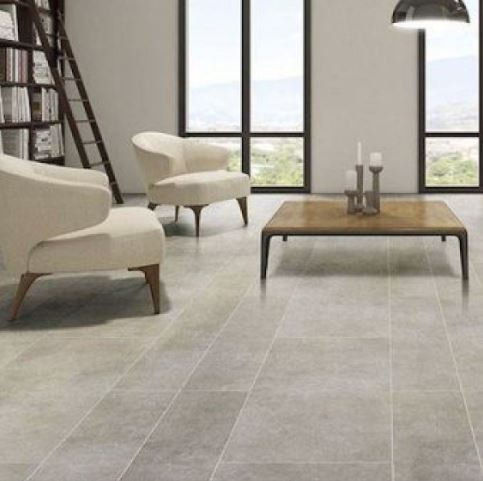
Limestone floor tiles offer that perfect blend of timeless beauty and practical durability that Australian homeowners absolutely love. There’s something special about natural stone flooring that manufactured materials simply can’t replicate. Each tile tells its own geological story, featuring unique patterns and subtle colour variations that make your space genuinely one-of-a-kind.
In this guide, we’ll explore everything you need to know about limestone floor tiles. From understanding what makes them such a brilliant choice to learning where they work best in your home, we’ve got you covered. You’ll discover the benefits, installation tips, care requirements, and how limestone stacks up against other natural stone options. Whether you’re renovating your kitchen, updating your bathroom, or creating a stunning outdoor entertaining area, limestone might just be the perfect solution you’ve been searching for.
What Are Limestone Floor Tiles?
Understanding the Natural Composition of Limestone
Limestone is a sedimentary rock formed over millions of years from the accumulated remains of marine organisms, shells, and coral. This natural process creates a stone with incredible character and depth. The calcium carbonate composition gives limestone its distinctive appearance and workable nature.
How Are Limestone Tiles Made?
Quarried from deposits worldwide, limestone blocks are cut into manageable slabs before being processed into tiles. Manufacturers then shape, calibrate, and finish each piece to specific dimensions. The result is flooring that retains all the natural beauty of the stone while meeting modern standards for consistency.
Popular Limestone Varieties for Home Flooring
Australian homeowners typically gravitate towards varieties like Jerusalem Gold, French limestone, and Portuguese limestone. Each offers different colour palettes ranging from creamy whites to warm beiges and soft greys. Your choice ultimately depends on your interior style and personal taste.
Benefits of Limestone Floor Tiles in Your Home
Durability and Longevity You Can Count On
When properly installed and maintained, limestone floor tiles can last for generations. This isn’t flooring you’ll need to replace in a decade. Many heritage buildings across Australia feature original limestone floors that still look stunning after a hundred years or more.
Natural Beauty and Unique Character
No two limestone tiles are identical. The natural variations in colour, veining, and fossils mean your floor becomes a genuine conversation piece. This organic beauty brings warmth and sophistication that synthetic alternatives simply cannot match.
Versatility Across Different Room Types
Limestone works brilliantly in virtually any room. From formal living spaces to casual family areas, it adapts to your lifestyle. The stone’s neutral tones complement both contemporary and traditional interior designs with equal grace.
Are Limestone Floor Tiles Good for Underfloor Heating?
Absolutely! Limestone conducts heat efficiently, making it an excellent partner for underfloor heating systems. The stone retains warmth beautifully, creating cosy spaces during those chilly Australian winter mornings. Just make sure your installer follows proper protocols for heated floors.
Where to Use Limestone Floor Tiles in Your Home
Kitchen Flooring with Limestone Tiles
Kitchens and limestone are a natural pairing. The stone’s cool surface is perfect for busy cooking spaces, while its durability handles the inevitable spills and foot traffic. Sealed properly, limestone resists staining from food and beverages.
Bathroom and Ensuite Applications
Create a spa-like retreat with limestone in your bathroom. The natural aesthetic promotes relaxation and pairs wonderfully with timber vanities and brass fixtures. Choose honed or tumbled finishes for better slip resistance in wet areas.
Living Areas and Hallways
High-traffic zones benefit enormously from limestone’s hard-wearing nature. Hallways, living rooms, and open-plan spaces look cohesive and elegant. The stone’s ability to stay cool in summer makes it particularly appealing for Australian climates.
Outdoor Entertaining Spaces and Patios
Extend your living space outdoors with limestone pavers. The material handles temperature fluctuations well and won’t become unbearably hot underfoot like some alternatives. Pool surrounds, alfresco dining areas, and garden paths all benefit from limestone’s natural appeal.
Choosing the Right Limestone Tiles for Your Space
How Do I Choose the Best Limestone Tiles for My Home?
Start by considering your room’s natural light and existing colour scheme. Lighter limestones open up spaces, while warmer tones create intimacy. Visit suppliers to see samples in person—photos never quite capture the true character of natural stone.
Colour Options and Finish Types
Limestone ranges from almost pure white through cream, beige, gold, and grey tones. Finish options include polished (glossy), honed (matte), tumbled (aged appearance), and brushed (textured). Each finish affects both appearance and practicality differently.
Tile Sizes and Patterns to Consider
Large format tiles create a seamless, contemporary look with fewer grout lines. Smaller tiles suit traditional settings and complex layouts. Consider patterns like herringbone, basketweave, or classic grid arrangements to add visual interest.
Matching Limestone with Your Interior Style
Limestone’s versatility means it suits almost any aesthetic. Pair cool grey tones with minimalist Scandinavian interiors. Choose warm honey shades for Mediterranean or coastal themes. The key is selecting tiles that complement rather than compete with your existing décor.
Limestone Floor Tiles vs Other Natural Stone Options
Limestone vs Travertine: What’s the Difference?
Both stones share similar origins, but travertine features more pronounced holes and a distinctive banded appearance. Limestone typically offers a more uniform look, though both require similar care. Your preference often comes down to aesthetic taste.
Comparing Limestone to Marble and Slate
Marble brings luxury and drama with bold veining but scratches more easily than limestone. Slate offers excellent durability and slip resistance but has a completely different aesthetic. Limestone sits comfortably between these options, offering elegance without excessive maintenance demands.
Cost Considerations for Natural Stone Flooring
Limestone generally costs less than marble but more than basic ceramic tiles. Prices vary significantly based on variety, origin, and quality. Factor in installation costs, sealing products, and long-term maintenance when budgeting. Remember, you’re investing in flooring that could outlast your mortgage.
How to Care for Limestone Floor Tiles
Do Limestone Tiles Require Sealing?
Yes, sealing is essential. Limestone is naturally porous, meaning it can absorb liquids and stain without proper protection. A quality penetrating sealer creates an invisible barrier while allowing the stone to breathe naturally.
Daily Cleaning Tips for Limestone Floors
Keep it simple with regular sweeping or vacuuming to remove grit that could scratch the surface. Mop with warm water and pH-neutral cleaners specifically designed for natural stone. Avoid acidic products like vinegar or citrus-based cleaners—they’ll damage the surface.
How Often Should You Reseal Limestone Tiles?
Most limestone floors benefit from resealing every one to three years, depending on traffic levels and wear. High-traffic areas like kitchens may need more frequent attention. A simple water test—watching whether droplets absorb or bead on the surface—indicates when resealing is due.
Dealing with Stains and Scratches
Act quickly on spills to prevent staining. For existing marks, poultice treatments can draw out many stains effectively. Minor scratches often blend with the stone’s natural character, while deeper damage may require professional honing and repolishing.
Installation Considerations for Limestone Flooring
Can I Install Limestone Tiles Myself?
While enthusiastic DIYers can tackle limestone installation, it’s genuinely challenging work. The weight of natural stone, need for precise levelling, and proper sealing techniques make professional installation worthwhile for most homeowners. Mistakes with expensive materials get costly quickly.
Preparing Your Subfloor for Natural Stone
Limestone demands a perfectly stable, level subfloor. Any movement or unevenness will eventually crack tiles or break grout lines. Concrete slabs work best, though properly prepared timber floors can work with appropriate backing systems.
Hiring Professional Installers in Australia
Seek installers with specific natural stone experience—it’s quite different from laying ceramics. Ask for references and examples of previous limestone projects. Quality installation protects your investment and ensures your floors look beautiful for decades.
Common Concerns About Limestone Floor Tiles
Are Limestone Tiles Slippery When Wet?
Honed and tumbled finishes provide good traction, even when wet. Polished limestone can become slippery and isn’t recommended for bathrooms or pool areas. Always discuss slip ratings with your supplier when choosing tiles for wet zones.
Is Limestone Flooring Suitable for High-Traffic Areas?
Certain limestone varieties handle heavy traffic brilliantly. Harder, denser limestones withstand wear better than softer types. Discuss your specific needs with suppliers—they’ll recommend appropriate varieties for busy households, commercial spaces, or quieter rooms.
How Long Do Limestone Floor Tiles Last?
With proper care, limestone floors can easily last 50 to 100 years or more. This longevity makes limestone remarkably cost-effective despite higher upfront costs. You’re truly investing in flooring for life.
Transform Your Home with the Natural Elegance of Limestone
Limestone floor tiles offer an unbeatable combination of beauty, durability, and timeless appeal that few other flooring options can match. From kitchens to bathrooms, living areas to outdoor spaces, this versatile natural stone adapts to virtually any setting while adding genuine character and warmth.
The key to success lies in choosing the right variety for your specific needs, ensuring professional installation, and committing to proper ongoing care. Yes, limestone requires a bit more attention than some alternatives, but the rewards—decades of stunning flooring that only improves with age—make that effort worthwhile.
If you’re ready to give your home that natural elegance you’ve been dreaming about, limestone floor tiles deserve serious consideration. Chat with local stone suppliers, visit showrooms to see samples in person, and imagine how this beautiful natural material could transform your living spaces. Your perfect floor might just be carved from ancient stone.