







Why a Gas Safety Check Matters
From what I’ve seen, a missed gas safety check is the #1 cause of residential gas leaks in suburbs like Marrickville and Glenelg. A single undetected leak can lead to carbon‑monoxide poisoning, fire, or a costly repair that could have been avoided. The thing is, the Australian gas safety standards are strict for a good reason – they protect families and property.
Honestly, most people think a gas safety check is just a formality, but it’s actually a detailed inspection of every pipe, valve and appliance — Here’s why it matters:
- Detects tiny leaks before they become hazardous.
- Ensures appliances meet the NHVL gas compliance requirements.
- Provides a certified report that can be needed for insurance or rental agreements.
- Helps you avoid fines from local councils like the City of Sydney or Brisbane City Council.
How Often Should You Schedule a Gas Safety Check —
In my experience, the rule of thumb is every 12 months for most homes, but there are exceptions — If you’ve had a new appliance installed, or if you’ve moved into an older property built before 2026, a check every six months is advisable — The Australian gas safety standards recommend a yearly inspection for high‑traffic households, especially those with children or elderly residents.
What typically happens is that the inspector will log the date of the last check and compare it to the manufacturer’s recommended service interval. If you’re in a high‑humidity area like Darwin’s suburbs, you might need a more frequent check because moisture can accelerate pipe corrosion.
Choosing a Licensed Gas Safety Inspector in NSW & Beyond
When you look for a gas safety inspector, the licence must be from the relevant state authority – for NSW it’s the NSW Fair Trading licence, while Queensland uses the Queensland Building and Construction Commission (QBCC) registration — A certified gas plumber will always carry a licence number that you can verify online.
Here’s what I tell people when they ask for recommendations:
- Check the licence number on the inspector’s website or business card.
- Ask if they are a member of the Australian Gas Association (AGA).
- Look for reviews that mention a thorough gas safety inspection Australia.
- Prefer inspectors who use modern leak detection equipment like ultrasonic detectors.
The Home Gas Safety Checklist – What Inspectors Look For
Appliances —
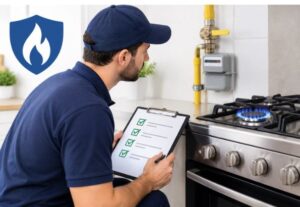
Every gas stove, heater and hot water system must be examined for proper flame colour, stable ignition and secure connections. The inspector will also verify that the appliance’s safety valve is functional. In Melbourne’s inner‑west, for example, older gas ovens often have cracked burners that need replacement.
Piping and Valves
Inspectors will trace the entire gas pipe network from the meter to each appliance. Like, they look for signs of corrosion, loose joints and any unsupported runs that could sag over time. In high‑rise apartments in Perth’s CBD, flexible pipe sections are common and must be checked for wear.
Ventilation and Exhaust
Proper ventilation is crucial to prevent carbon‑monoxide buildup. The gas safety check includes a test of the flue and exhaust fans, especially for gas fireplaces in Sydney’s North Shore. A blocked vent can trigger the safety shut‑off & cause a false alarm.
Detection Devices
Modern homes often have electronic gas leak detectors and carbon‑monoxide alarms. The inspector will confirm that these devices are correctly placed – typically 1 metre above the floor for gas detectors and near sleeping areas for CO alarms. In Brisbane’s Sunshine Coast many new builds now come with integrated smart‑home detectors.
Common Gas Leak Detection Services and How They Work
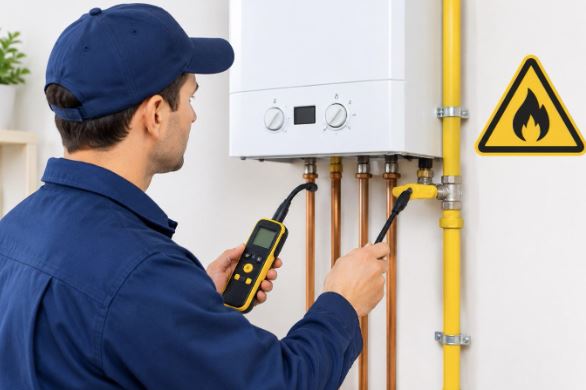
When a leak is suspected, a certified gas plumber will use either a soap‑solution test, an electronic gas detector, or an ultrasonic device. The soap‑solution method is cheap & effective for small leaks around connections, while ultrasonic detectors can hear the high‑frequency sound of gas escaping under pressure.
What typically happens is the technician will first isolate the gas supply, then run the detector along each pipe. If a leak is found, they’ll mark the spot with a coloured sticker and recommend immediate repair. Adelaide’s suburbs like norwood, a common issue is a loose fitting on the gas pipe leading to the outdoor BBQ.
Keeping Up with Australian Gas Safety Standards and NHVL Compliance
The National Heavy Vehicle Law (NHVL) doesn’t apply to homes, but the term “NHVL gas compliance” is often used to describe the national standards that all gas work must meet. In 2026 the Australian Standard AS 4418‑2026 outlines the requirements for gas installation, testing and maintenance.
Here’s a quick rundown of the key points you need to know to stay compliant:
- All gas work must be performed by a licensed gas plumber.
- Appliances must have a valid compliance plate and a recent service record.
- Gas pipelines must be labelled with the appropriate colour‑coding (yellow for gas).
- Records of each gas safety check must be retained for at least five years.
Preparing Your Home for the Gas Safety Check – Practical Tips
Before the inspector arrives clear any furniture or storage that blocks access to the gas meter pipe runs and appliances. In a typical Queensland house the meter is often tucked behind a garden shed so move the shed’s door aside & ensure there’s good lighting.
And don’t forget these quick prep steps:
- Turn off all gas‑powered appliances and let them cool.
- Open windows in rooms with gas appliances for ventilation.
- Gather all previous gas safety check reports and service receipts.
- Make sure the main gas shut‑off valve is easily reachable.
What to Expect During the Gas Safety Check
When the inspector walks in, they’ll start with a visual assessment of the gas meter and any external pipework. Then they’ll move inside, checking each appliance, the ventilation system & the detection devices — The whole process usually takes 45 minutes to an hour for a standard three‑bedroom house.
After the inspection, you’ll receive a detailed report that lists any defects, the actions required and a compliance certificate if everything is up to standard — In Sydney’s Eastern Suburbs, a typical report will also note whether the gas safety check checklist was fully satisfied.
Maintaining Ongoing Gas Safety After the Check
Once you have the compliance certificate, the job isn’t over. Regular maintenance of appliances, timely replacement of old pipework and periodic testing of detectors keep your home safe — In Perth’s outer‑north, many homeowners set a calendar reminder for every 12 months to book the next gas safety check.
And keep an eye on any changes in the Australian gas safety standards. The standards are updated roughly every five years, with the latest revision in 2026 adding stricter requirements for smart‑home gas detectors.
Conclusion
To ace a gas safety check in Australia you need to understand the standards pick a licensed inspector follow a thorough home gas safety checklist and keep up with regular maintenance. By preparing your home staying aware of the inspection schedule and using the right detection tools you’ll protect your family & avoid costly surprises. Follow the tips above & you’ll walk through every gas safety check with confidence.