







Introduction: Industry Growth Driven by Complexity
Over 70% of modern mechanical system failures are linked to incorrect maintenance practices or the use of non-compatible parts, according to recurring trends reported across automotive and industrial service studies. At the same time, global demand for brand-certified mechanical services has been steadily increasing as machinery becomes more software-driven and manufacturer-specific. In the automotive sector alone, vehicles now commonly contain dozens of interconnected electronic control units, each requiring brand-specific diagnostic tools and repair procedures.
This growing complexity has fundamentally changed how mechanical servicing works. General repair knowledge is no longer enough for many modern systems, and specialized expertise tied to individual manufacturers has become a critical requirement for ensuring performance, safety, and long-term reliability.
The Shift Toward Brand-Specific Mechanical Engineering
Mechanical systems today are no longer universal in design. Instead, manufacturers create highly specialized ecosystems where components, software, and diagnostics are tightly integrated. This is especially evident in industries such as automotive engineering, heavy machinery, HVAC systems, and precision manufacturing equipment.
Each brand develops its own engineering standards, proprietary technologies, and servicing protocols. As a result, technicians must understand not only mechanical principles but also brand-specific configurations. Without this knowledge, even simple repairs can risk damaging sensitive components or reducing system efficiency.
What Defines Brand-Specialized Mechanical Services?
Brand-specialized mechanical services refer to repair and maintenance work carried out by technicians trained and certified for a specific manufacturer. These services typically include:
- Use of proprietary diagnostic software and scanning tools
- Access to official service manuals and technical updates
- Training directly from the manufacturer or authorized partners
- Replacement with certified or original equipment manufacturer (OEM) parts
This structured approach ensures that every repair aligns with the original engineering intent of the product, preserving both performance and safety standards.
Precision and System Compatibility
One of the most important advantages of brand-specific servicing is precision. Modern mechanical systems often integrate mechanical, electrical, and digital components into a single operating structure. A minor deviation in repair technique can disrupt system balance or trigger cascading failures.
Specialized technicians understand these interdependencies. They are trained to identify how a change in one component may affect the entire system. This allows them to maintain factory-level performance and ensure that systems continue operating within designed tolerances.
Automotive Industry: A Clear Example of Specialization
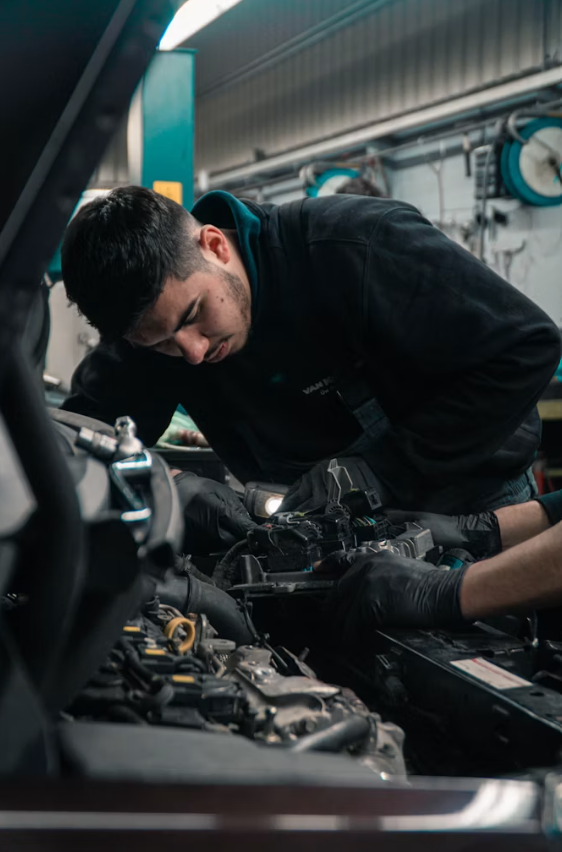
The automotive industry is one of the most prominent examples of why brand specialization matters. Every car manufacturer uses different engine designs, electronic control systems, and proprietary software architectures. Even similar-looking vehicles can require entirely different repair approaches.
For example, a technician working on Japanese brands may require entirely different diagnostic procedures compared to European or American manufacturers. A trained Suzuki mechanic will be familiar with Suzuki’s specific engine tuning systems, electronic configurations, and factory-recommended service intervals, which may differ significantly from other brands. This level of expertise ensures accurate diagnostics and prevents costly errors that could arise from generic repair approaches.
Warranty Protection and Manufacturer Compliance
Another major reason brand-specialized mechanical services are important is warranty protection. Most manufacturers require that servicing and repairs follow strict guidelines and be performed by certified technicians. Using unauthorized repair methods or non-approved parts can void warranties entirely.
Compliance is also critical for safety regulations. Many mechanical systems—especially in automotive and industrial environments—must meet legal standards for operation. Certified technicians ensure that all work complies with these requirements, reducing legal and financial risks for owners.
Advanced Diagnostic Technology and Tools
Modern mechanical systems rely heavily on digital diagnostics. These systems generate error codes, performance data, and operational logs that are often accessible only through proprietary software tools.
Brand-specialized service providers have access to these tools, allowing them to quickly identify and resolve issues. Instead of relying on manual inspection alone, technicians can connect directly to system databases, analyze faults in real time, and implement precise solutions.
This significantly reduces repair time and eliminates unnecessary part replacements, making the process more efficient and cost-effective in the long run.
Longevity and Performance Optimization
Proper maintenance plays a key role in extending the lifespan of mechanical systems. Brand-specialized services ensure that equipment is maintained exactly according to manufacturer specifications, including correct lubrication types, torque settings, and calibration procedures.
Over time, this consistency helps preserve original performance levels. Equipment that is regularly serviced by trained specialists tends to experience fewer breakdowns and maintains higher efficiency compared to systems maintained through generic servicing.
Safety as a Core Priority
Safety is another critical factor driving the need for specialized mechanical services. Many modern systems include safety-critical features such as automated braking, pressure regulation, or load balancing systems.
Incorrect servicing of these components can lead to serious hazards. Brand-certified technicians are trained to understand the engineering logic behind these systems and follow strict safety procedures during maintenance and repair. This significantly reduces the risk of malfunction or accident.
Cost Efficiency Over the Long Term
Although brand-specialized services may appear more expensive initially, they often lead to lower overall costs. Accurate diagnostics reduce repeated repairs, proper part replacement prevents secondary damage, and adherence to maintenance schedules prevents major system failures.
Additionally, maintaining warranty coverage can prevent expensive out-of-pocket repairs. In this sense, specialized servicing is not just about quality—it is also about financial efficiency over the lifecycle of the equipment.
Continuous Training and Technical Updates
Manufacturers regularly update their systems with new technologies, revised components, and improved software. As a result, technicians must continually update their skills to stay current.
Brand-specialized service networks typically require ongoing training and certification. This ensures that technicians remain capable of working on the latest models and technologies. Without this continuous learning process, service quality would quickly become outdated in such a fast-evolving industry.
The Future of Brand-Specific Mechanical Services
As mechanical systems become more intelligent and interconnected, the importance of brand specialization will continue to grow. Future systems are expected to rely even more heavily on automation, predictive maintenance, and AI-driven diagnostics.
This will require technicians who are not only mechanically skilled but also digitally literate and trained in brand-specific software ecosystems. The role of the mechanic is evolving into a hybrid profession that blends engineering expertise with advanced technological understanding.
Conclusion
Brand-specialized mechanical services have become essential in today’s highly complex engineering environment. From automotive systems to industrial machinery, the need for precise, manufacturer-aligned maintenance is greater than ever.
By ensuring accuracy, protecting warranties, improving safety, and extending equipment lifespan, specialized services provide value that general repair approaches cannot match. As technology continues to advance, this specialization will only become more important, shaping the future of mechanical maintenance across industries worldwide.