







Understanding Packing Priorities for Moving Into a New Home
Moving into a first home brings excitement along with new responsibilities. First-time homebuyers often discover that packing requires more planning than expected. New furniture, documents, and appliances need careful handling. Limited storage in starter homes affects how boxes should be arranged. Room measurements guide the size and placement of the box. Early preparation also supports better budget control. Clear labeling prevents confusion during unpacking.
Organizing Children’s Rooms With Care
Family moves require attention to routines and emotional comfort. Preparing your kid’s space for relocation begins with sorting toys, books, and clothing by category. Parents benefit from learning how to pack their child’s room before a move begins. Children feel calmer when they understand what will happen next. Allowing them to select their favorite items builds confidence. School supplies should stay separate from play materials. A familiar organization supports faster adjustment in a new home.
Mastering Smart Packing Strategies for Daily Efficiency
Smart packing strategies focus on reducing wasted movement and repeated handling by creating clear systems from the beginning. When similar items are placed together, sorting becomes faster and less confusing later. Using room-based packing supports this system by keeping boxes in their correct locations. Consistent label placement strengthens this structure because every container becomes easy to identify at a glance. Inventory lists then connect labeling to unpacking by showing exactly where each box belongs. Heavy objects stay safer in smaller containers, which supports easier lifting and better control. Light items fit better in larger boxes, helping maintain balance and protect all belongings.
Using Space Inside Boxes Efficiently
Space inside boxes allows items to shift during transport, which increases the risk of damage. Soft materials such as towels and clothing should fill gaps to hold items firmly in place. Heavy objects belong at the base of each container to create a stable foundation. Lighter materials can then rest on top to maintain balance. Sharp edges need extra wrapping to prevent punctures and surface scratches. Avoid overfilled boxes because they weaken under pressure and are more likely to collapse. Balanced packing improves stacking safety and protects belongings throughout the move.
Room-by-Room Packing Systems
Room-based systems simplify both loading and unloading by keeping related items organized from the start. Packing should begin with low-use areas because these spaces are rarely needed during daily routines. Once those areas are complete, living spaces can be packed without disrupting normal activities. Essential items should remain in a separate kit so basic needs stay covered throughout the move. Bathroom supplies must stay reachable to support hygiene and comfort, while kitchen items require additional cushioning since they are often fragile.
Reducing Waste Through Packing Strategies
Many people overlook how packing choices affect long-term organization. Smart packing strategies also reduce unnecessary waste. Reusing containers lowers supply expenses. Donated items reduce total volume. Digital files replace paper records. Refillable storage bins serve future moves. Smaller loads shorten loading time. Efficient systems support responsible resource use.
Labeling and Tracking Methods
Clear labels prevent misplaced belongings by making box contents easy to recognize at every stage of the move. Thick markers improve visibility from a distance, which helps movers place items correctly. Writing room names and content descriptions guides proper placement inside the new home. Color systems further simplify sorting by creating quick visual cues. Numbered boxes match inventory sheets, allowing you to track every container. Together, these tracking methods speed up unpacking and reduce unnecessary searching.

Handling Fragile and Valuable Items
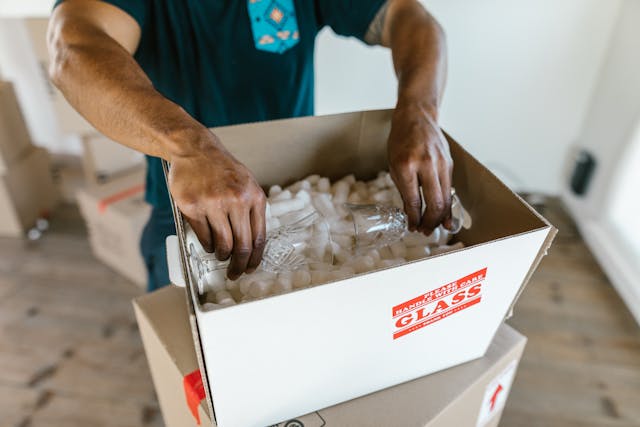
Fragile belongings need layered protection because a single layer rarely provides enough impact resistance. Each item should receive individual wrapping to prevent surface scratches and pressure damage. Dividers separate glass and ceramics, which reduces contact during transport. Warning labels alert movers to sensitive contents and encourage careful handling. Insurance records must remain accessible in case claims become necessary. Secure packaging reduces replacement costs and protects your overall moving budget.
Managing Seasonal and Rarely Used Items
Seasonal belongings often take up valuable space when they remain mixed with everyday items. Early packing creates room for daily essentials and helps keep living areas organized. Vacuum bags compress clothing, which reduces storage volume and prevents clutter. Storage should stay in low-access zones so daily routines remain uninterrupted. This approach supports long-term order and simplifies seasonal transitions.
Preparing an Essentials Box
An essentials box supports comfort during the first day because it keeps important items in one easy-to-reach place. That is why toiletries and medication should go inside first, since they are often needed immediately after arrival. Chargers and basic tools belong in this container because phones and small repairs help you stay organized. That is also why adding snacks and water reduces the need for quick trips to nearby stores. Keeping this box in your personal vehicle ensures constant access. As a result, quick access to these items lowers stress and helps you settle in faster.
Avoiding Common Packing Errors
Rushing often leads to broken items and misplaced paperwork because important steps get skipped. Overloaded boxes collapse under pressure, which puts nearby belongings at risk. When items from different rooms get mixed, unpacking becomes slower and more confusing. Missing labels then make it harder to identify what belongs where. Recognizing these mistakes early helps improve packing habits and supports smoother future moves.
Long-Term Benefits of Smart Packing Strategies
Packing skills grow stronger through experience and reflection. Smart packing strategies support faster loading and smoother unpacking. Organized systems reduce daily frustration. Clear labeling saves hours of searching. Careful packing protects valuable belongings. These habits support future relocations. A structured approach turns moving into a manageable process.