







Blocked drains are incredibly common across the North Shore, and there’s good reason for that. The area features a mix of older heritage properties with ageing pipe systems and newer developments, all surrounded by beautiful established trees. While those leafy streets look gorgeous, they can wreak havoc on your drainage system. Plus, the sandy soil conditions in many North Shore suburbs can contribute to pipe movement and damage over time.
In this guide, we’ll walk you through everything you need to know about tackling drain blockages. You’ll discover what causes them in the first place, learn how to spot the warning signs early, and pick up some DIY tricks that actually work. We’ll also cover when it’s time to call in the professionals and what to expect cost-wise. By the end, you’ll be well-equipped to keep your drains flowing freely—and know exactly what to do when problems arise.
What Causes Blocked Drains? Understanding the Root of the Problem
Tree Root Intrusion in Older North Shore Properties
Tree roots are one of the biggest culprits behind blocked drains in the North Shore area. Those magnificent fig trees and established natives that line our streets have extensive root systems constantly searching for water. Your drainage pipes, with their tiny joints and connections, are like a beacon calling these roots in.
Older properties are particularly vulnerable. Pipes made from clay or concrete—common in homes built before the 1980s—develop small cracks over time. Roots sense the moisture escaping and grow towards it, eventually breaking through and creating serious blockages.
Grease and Fat Build-Up in Kitchen Drains
We’ve all been guilty of it—pouring cooking oil or bacon fat down the sink because it seems easier than dealing with it properly. The problem is, grease solidifies as it cools. It sticks to the inside of your pipes and gradually builds up, narrowing the passage until water can barely get through.
Foreign Objects and Debris Accumulation
Hair, soap scum, food scraps, and sanitary products all contribute to blockages. In bathrooms, hair combines with soap residue to form stubborn clogs. Kitchen sinks catch food particles that accumulate over time. Even outdoor drains get clogged with leaves, dirt, and debris.
Broken or Collapsed Pipes
Sometimes the issue isn’t what’s going into your pipes—it’s the pipes themselves. Ground movement, tree roots, age, and corrosion can all cause pipes to crack, break, or collapse entirely. When this happens, no amount of DIY effort will fix the problem.
How Do I Know If My Drain Is Blocked?
Warning Signs You Shouldn’t Ignore
Catching a blockage early can save you significant hassle and expense. Keep an eye out for water draining slowly from sinks, showers, or bathtubs. Gurgling noises from your drains are another red flag—this indicates air trapped in the system due to a partial blockage.
Unpleasant odours wafting up from drains suggest decomposing material stuck in your pipes. If you notice water backing up in unexpected places—like your shower drain bubbling when you flush the toilet—you’ve likely got a blockage in your main sewer line.
When a Slow Drain Becomes a Serious Issue
A slightly slow drain might seem like a minor annoyance, but it’s often an early warning sign. Left untreated, partial blockages become complete blockages. What starts as water taking an extra minute to drain can escalate into sewage backing up into your home. The bottom line? Don’t ignore the early signs.
Can I Unblock a Drain Myself? DIY Methods That Actually Work
The Boiling Water Technique
This is the simplest method and works well for minor grease blockages. Boil a full kettle and pour it directly down the drain in two or three stages, allowing hot water to work for several seconds between pours. The heat helps dissolve grease and soap buildup. It’s particularly effective for kitchen sinks.
Using a Plunger Correctly
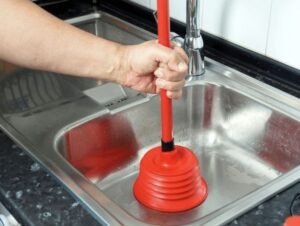
A plunger can be surprisingly effective when used properly. Make sure there’s enough water in the sink or tub to cover the plunger cup. Create a tight seal over the drain and pump vigorously for about 20 seconds. The pressure changes can dislodge blockages and get things moving again.
Natural Solutions: Bicarbonate of Soda and Vinegar
This classic combination creates a fizzing reaction that can break down organic matter. Pour half a cup of bicarbonate of soda down the drain, followed by half a cup of white vinegar. Cover the drain and wait 30 minutes, then flush with hot water. It’s gentle on pipes and environmentally friendly.
Drain Snakes and How to Use Them Safely
A drain snake (or drain auger) is a flexible tool you feed into the pipe to physically break up or retrieve blockages. Insert it slowly, rotating as you go. When you hit resistance, that’s likely your blockage. Rotate and push to break it up, then slowly withdraw the snake. Always wear gloves!
What Should You Not Pour Down the Drain?
Prevention is always better than cure. Avoid pouring cooking oil, grease, or fat down your drains—instead, let it cool and dispose of it in the bin. Coffee grounds, rice, and pasta expand with water and cause blockages. Sanitary products, wet wipes (even those labelled “flushable”), and cotton buds should never go down the toilet.
Paint, chemicals, and medications can damage pipes and harm the environment. Hair is another major offender—use drain covers in showers and baths to catch it before it enters your plumbing.
When Should I Call a Professional Plumber for Blocked Drains?
Signs DIY Methods Won’t Cut It
If you’ve tried multiple DIY methods without success, it’s time to call in reinforcements. Multiple drains blocking simultaneously usually indicates a main sewer line issue. Sewage smells or backups require immediate professional attention. Recurring blockages suggest an underlying problem that needs proper investigation.
Benefits of Professional Drain Cleaning Services
Professionals have access to specialist equipment and expertise that goes far beyond what’s available to homeowners. They can diagnose the exact cause and location of blockages, provide long-term solutions rather than temporary fixes, and identify potential problems before they become emergencies.
Professional Drain Unblocking Methods Explained
CCTV Drain Inspections
This technology involves feeding a small camera into your pipes to see exactly what’s happening inside. It takes the guesswork out of diagnosis, allowing plumbers to pinpoint blockage locations, identify root intrusion, spot cracks or damage, and recommend the most effective treatment.
High-Pressure Water Jetting
Water jetting uses powerful streams of water to blast through blockages and clean pipe walls. It’s incredibly effective for grease buildup, tree roots, and general debris. The pressure is strong enough to cut through obstructions but safe for your pipes when used by trained professionals.
Pipe Relining and Repair Options
When pipes are damaged, relining offers a solution without extensive excavation. A flexible liner coated with resin is inserted into the damaged pipe and inflated. Once cured, it creates a new pipe within the old one—strong, seamless, and root-resistant.
How Much Does It Cost to Unblock a Drain in Australia?
Costs vary depending on the blockage’s severity and location. Simple blockages might cost between to clear. More complex issues requiring jetting or CCTV inspection typically range from. Major repairs involving pipe relining or excavation can cost several thousand dollars. Always get a quote before work begins.
How to Prevent Blocked Drains: Practical Maintenance Tips
Regular Cleaning Habits
Flush drains weekly with hot water. Clean drain stoppers and covers regularly. Use the bicarbonate and vinegar method monthly as a preventive measure.
Installing Drain Guards and Screens
These inexpensive devices catch hair, food scraps, and debris before they enter your pipes. They’re simple to install and easy to clean—a small investment that prevents big problems.
Scheduling Professional Inspections
Annual drain inspections help identify potential issues before they become emergencies. This is particularly important for older North Shore properties or homes with large trees nearby.
Blocked Drains and Strata Properties: What North Shore Residents Need to Know
If you live in a unit or townhouse, drainage responsibilities can be complicated. Generally, you’re responsible for pipes within your lot, while the owners corporation handles shared infrastructure. Always check your strata plan and contact your strata manager when drainage issues arise. Getting this right from the start can save disputes down the track.
Keeping Your North Shore Drains Flowing Freely
Dealing with blocked drains is never fun, but with the right knowledge, you can tackle most issues confidently. Start with prevention—be mindful of what goes down your drains, install guards, and maintain regular cleaning habits. When blockages occur, try the DIY methods we’ve covered before escalating to professional help.
Don’t ignore warning signs. That slow-draining sink or occasional gurgle is your plumbing system asking for attention. Addressing problems early is always cheaper and less disruptive than dealing with full-blown emergencies.
For North Shore residents, understanding the unique challenges our area presents—from tree roots to ageing infrastructure—puts you ahead of the game. Whether you’re handling a minor blockage yourself or calling in the experts for something more serious, you now have the knowledge to make informed decisions. Here’s to clear drains and stress-free plumbing!